

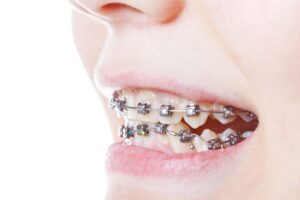
Do you need orthodontic treatment? If so, you might be under the impression that “braces are braces” and that your treatment experience will be very similar to what other patients go through. However, that is not necessarily true. Each patient is unique, and there are actually multiple types of braces. One advanced option is known as self-ligating braces. What exactly are they, and how do they work? This blog post provides important and useful information.
What Are Self-Ligating Braces?
All types of orthodontia work on the same basic principle: When you apply gentle, sustained pressure to the teeth, they will move. Traditional braces accomplish this with brackets and an arch wire. Small rubber bands, called ligatures, are used to hold the arch wire in place so the braces can apply the appropriate amount of force.
Self-ligating braces are constructed differently. They still utilize brackets and an arch wire, but brackets have a special design. Rather than requiring ligatures to hold the wire in place, these brackets have special clips or latches that hold the wire without the need for any additional gear.
How Do Self-Ligating Braces Work?
While the design of self-ligating braces might not seem like a big deal, it can actually make a significant difference in your treatment experience:
- Reduced friction: Traditional ligatures can create some friction, which may slow tooth movements. Self-ligating brackets are smoother, which can lead to faster movements and shorter overall treatment.
- Greater comfort: The smooth design of self-ligating brackets can reduce irritation on soft oral tissues.
- Faster appointments: With traditional braces, your orthodontic care team has to remove ligatures during each adjustment and then place new ones. That can take a bit of time! The process of adjusting braces tends to be quicker with self-ligating brackets, meaning you can get on with your day that much sooner.
- Better oral hygiene: Some people find that traditional ligatures collect food particles and bacteria around them; this increases the risk of dental issues. Self-ligating braces may be easier to keep clean and therefore lend themselves to a lower chance of cavities.
Are Self-Ligating Braces Right for You?
Self-ligating braces are effective for most mild to moderate orthodontic issues, so do not hesitate to talk to your care team about them. Keep in mind that they might cost a bit more than traditional braces. However, patients generally agree that the faster and more comfortable experience makes them a good value.
Self-ligating braces are pretty cool! Learn more about what to expect with them so you can make a well-informed decision about how to straighten your teeth.
Meet the Practice
Dr. Tamara Jones is an award-winning orthodontist who is proud to serve the Richardson community. Along with Dr. Stephanie Amerson, she provides a range of treatments, including advanced self-ligating braces. If you are curious about your options for correcting dental misalignment, schedule a free consultation by contacting our office at 972-238-7101.