

Two-Phase Treatment – Richardson, TX
Creating a Beautiful, Healthy Smile
Has your child completed Phase One Orthodontics? Are they ready to move to a two-phase treatment that will allow them to see a healthier, more beautiful smile? If so, your orthodontist at Richardson & Willow Bend Orthodontics, Dr. Tamara Jones and Dr. Amerson, are here to deliver optimal results in a safe and friendly environment. Using traditional braces on the upper and lower teeth, your child will be well on their way to a new and improved smile that gives them greater confidence and ensures better oral health. To find out more about this process, or to find an orthodontist near me, contact us today to schedule an appointment.
Why Choose Richardson & Willow Bend Orthodontics for Two-Phase Treatment?
- Board-certified orthodontist, Dr. Tamara Jones and Dr. Amerson
- Extensive experience and training straightening smiles
- Dental insurance accepted and flexible financing available
What is Two-Phase Treatment?
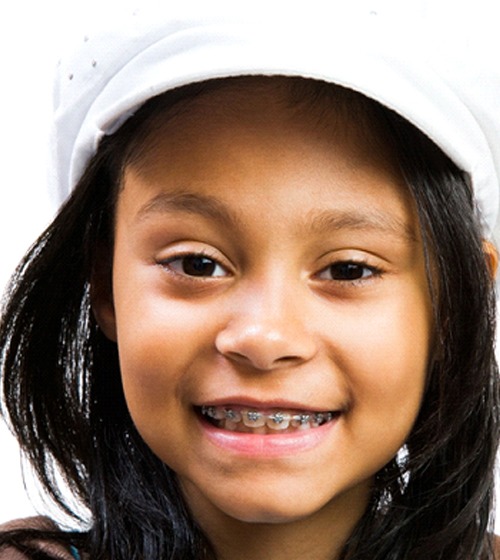
Your child is finished with Phase One and has spent ample time resting and allowing their permanent teeth to fully erupt. As long as their initial treatment was a success, these adult teeth should have no issues moving into the correct position. But most children who undergo Phase One treatment must continue onto Phase Two when recommended by an orthodontist.
This is the stage of orthodontic treatment that allows for teeth to move into proper alignment by identifying their exact location and formulating a plan using traditional braces to move them into place. This not only ensures healthier teeth and gums, but their aesthetic will be improved as well.
Why You Shouldn’t Wait to Seek Treatment

Many parents may wonder why it’s necessary to seek treatment now. The reason is that problems can worsen over time, resulting in more complex procedures that may or may not prove successful. By identifying and treating bite problems, overcrowding, or spaces between teeth early on, your child will be more likely to have a positive outcome that leads to a healthier, more aesthetically pleasing smile as they navigate adolescence and adulthood.
How Does it Work?
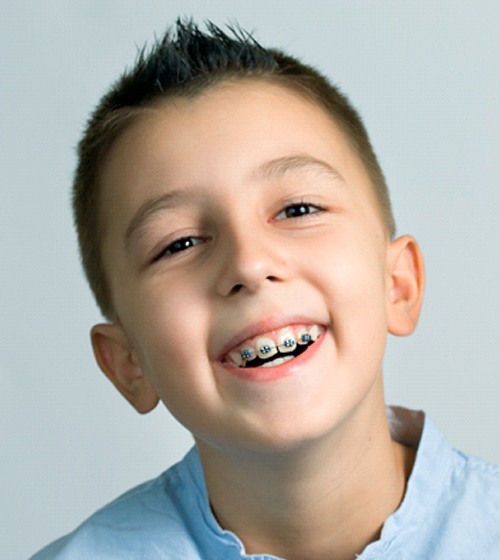
Once all your child’s permanent teeth come in, it will be necessary for Dr. Jones to place metal braces on the upper and lower teeth. Why? Because in order for your child’s teeth, gums, and other aspects of their oral cavity and facial structure to properly work together, braces are used to move teeth into proper alignment.
Depending on your child’s individual case, they may need to wear braces for at least 2 years, but it will ultimately be up to Dr. Jones or Dr. Amerson to decide the timeline for treatment. When finished, they will be required to wear a retainer that is designed to prevent their teeth from shifting back into their original position. Wearing the retainer according to Dr. Jones’ instructions is imperative if your child doesn’t want to undo all of their hard work.
What are the Benefits?

The most obvious benefits to two-phase treatment are that:
- It moves your child’s permanent teeth into proper alignment
- It allows them to enjoy a healthier, beautiful smile for the rest of their life
- Ensures a healthier jaw
- Lowers the risk for excessive wear and tear on tooth enamel as well as decay
- It saves you money on more complex treatment your child could need later on if you were to put off treatment
Two-Phase Treatment FAQs
Does My Child Need Two-Phase Treatment?
Not all children need two-phase treatment, but if you notice any of these signs as your kiddo’s permanent teeth come in, then two-phase treatment could benefit their smile:
- Severe overcrowding (teeth grow too close together)
- Crossbite, underbite, overbite, open bite, or other jaw misalignment
- Front teeth that protrude outward
- Early loss of baby teeth
- Difficulties with eating or speaking
- Dental discomfort
Your child may also need two-phase treatment if they’ve completed phase one orthodontics. We determine this on a case-by-case basis, though, so be sure to check in with your orthodontist in Richardson to see whether two-phase treatment is right for your child.
How Does Two-Phase Treatment Differ from Phase One Orthodontics?
Phase one orthodontics guides the growth of your child’s permanent teeth by changing the alignment of their baby teeth. Baby teeth literally pave the way for permanent teeth, and permanent teeth often follow the path carved out by their temporary counterparts. So, by adjusting baby teeth, phase one orthodontics gives your child’s smile a good foundation.
You can think of two-phase treatment as the final touches for your child’s orthodontic journey. The goal is to refine the position of your child’s permanent teeth, thereby completing the adjustment process and enhancing their dental aesthetics.
When Should a Child Start Two-Phase Treatment?
Children who need two-phase treatment often begin around the ages of 11 – 14. This is because most of their permanent teeth should be fully erupted by this time.
Note, however, that not all children grow in their permanent teeth at the same rate. This isn’t “wrong” or “bad,” but could mean that your child will need more extensive orthodontic work.
Rest assured, your orthodontist in Richardson will be able to tell you when it’s the right time for your child to start two-phase treatment. The key takeaway here is that your child’s age isn’t as important as their dental development for this type of orthodontics.
Will My Child Need Braces Again Later in Life After Two-Phase Treatment?
Two-phase treatment can certainly reduce the likelihood of your child needing orthodontics again later in life. However, like with many treatments, it’s not a complete guarantee. Some children have more complicated oral structures that simply require another round of braces. Others may need them again due to injury or failing to wear their retainer as instructed after two-phase treatment.
We’ll provide you and your child with detailed aftercare instructions that will help mitigate the odds of them needing orthodontics again in the future.